Instructional Design
Instructional Design is the art and science of architecting engaging digital learning experiences for corporations, universities, and EdTech platforms. Master the ADDIE model, Mayer’s Multimedia Principles, Articulate 360/Storyline development, gamification, and LMS deployment.

🇮🇳 Indian Market Benchmark
Core Track Highlights
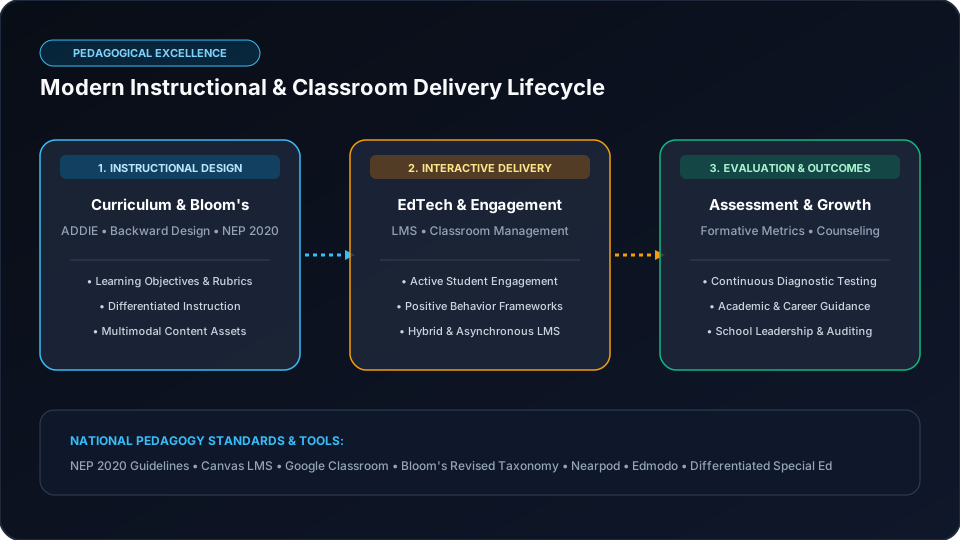
ADDIE E-Learning & Instructional Design Lifecycle
Analysis, Design, Development, Implementation, and Evaluation for enterprise e-learning.
Analysis & Gap Audit
Identifying performance gaps, audience demographics, and technology constraints.
Design & Storyboarding
Creating interactive wireframes, branching scenarios, and formative check-ins.
Authoring & Development
Building SCORM/xAPI compliant interactive modules in Articulate Storyline and Rise 360.
LMS Deployment & Kirkpatrick Eval
Tracking completion rates, quiz scores, and on-the-job behavioral impact (Levels 1-4).
Structured Phase-by-Phase Syllabus
Focus on build-by-doing milestones rather than passive video consumption.
Phase 1: Instructional Models & Storyboarding
- ADDIE and SAM agile instructional models
- Gagné’s Nine Events of Instruction and Mayer’s Multimedia Principles
- Writing detailed e-learning storyboards with audio narration scripts and branching logic
Phase 2: Authoring with Articulate 360 & Gamification
- Articulate Storyline triggers, variables, states, and custom slide layers
- Designing scenario-based learning simulations and drag-and-drop interactions
- Developing rapid mobile-responsive modules using Articulate Rise 360
Phase 3: SCORM/xAPI Integration, LMS & Portfolio
- Exporting SCORM 1.2 / 2004 and Tin Can (xAPI) packages for LMS tracking
- Kirkpatrick Four-Level Training Evaluation model
- Publishing a professional online instructional design portfolio on NovyPro/Webflow
Technical Interview Questions & Answers
Q1: How do you apply Mayer’s Cognitive Theory of Multimedia Learning to prevent cognitive overload?
I eliminate redundant on-screen text when audio is playing (Modality & Redundancy Principle), place related text and visuals immediately next to each other (Contiguity Principle), break complex processes into bite-sized user-paced segments (Segmenting Principle), and strip away extraneous decorative clutter (Coherence Principle).
Frequently Asked Questions
Do I need coding skills to be an Instructional Designer?
No coding is required. Modern authoring tools like Articulate 360 use visual triggers and logic states, though basic understanding of HTML/SCORM is beneficial.
Target Job Roles
Instructional Designer (ID)
Demand: Very HighSenior ID / E-Learning Specialist
Demand: HighL&D Content Manager / Lead
Demand: ModerateRelated Career Tracks
Need a Personalized Career Plan?
Take our 20+ Signal Career Compass to assess aptitude and discover suitable roadmaps.
Start Career Compass